

One source of truth, not five versions of it.
When finance, operations and sales each have their own numbers, decisions slow down. We connect or rebuild the systems so everyone works from the same data.
Nobody agrees on the numbers
Every meeting starts with reconciling reports from different systems.
The ERP fights your process
You bent the business around software that was never built for it.
Integrations break quietly
Data stops syncing and nobody notices until a customer does.

Fewer handoffs. Fewer surprises. More shifts that end like this.
Most companies come to us after one expensive ERP rollout already disappointed. The belief is: a bigger platform will finally fix it.
Then it clicks — the problem was never the size of the software. It was that nobody mapped how the business really runs before choosing it.
Map the process first, then connect or build exactly what it needs.
- Every manual reconciliation is senior time spent on data, not decisions.
- Every broken integration is a delayed invoice or a wrong delivery.
- Every year on the wrong system makes the eventual migration bigger.
Systems Review
A map of your systems, data flows and failure points — with a clear recommendation.
What you walk away with
- Inventory of systems and data flows
- Where data breaks, duplicates or gets lost
- Integrate vs. extend vs. replace recommendation
- Phased roadmap with a budget range
Custom ERP modules
Inventory, procurement, production or finance modules built around your process.
System integrations
Reliable connections between ERP, CRM, e-commerce and accounting.
Data migration
Moving from legacy systems without losing history or trust.
Process optimization
Remove steps that exist only because the software demanded them.
Reporting & BI
One set of numbers every department agrees on.
Monitoring
Alerts when integrations fail, before customers notice.
Small, visible steps. No blind budgets.
- 01 / 04
The first conversation
Free, 30 minutes, with the people who would build it. You leave with your priorities and risks named — whether we work together or not.
- 02 / 04
A plan you can check
Scope, architecture, milestones and a budget range in writing. Every assumption visible, so you can challenge it before a dollar is committed.
- 03 / 04
Fix the most painful data flow
We prove the riskiest part first, on a fixed milestone. You see working software, not slides, before you decide on the rest.
- 04 / 04
Build, launch, own it
Weekly demos, direct access to the team, and full ownership of the code and infrastructure from day one.
Good work happens between people.
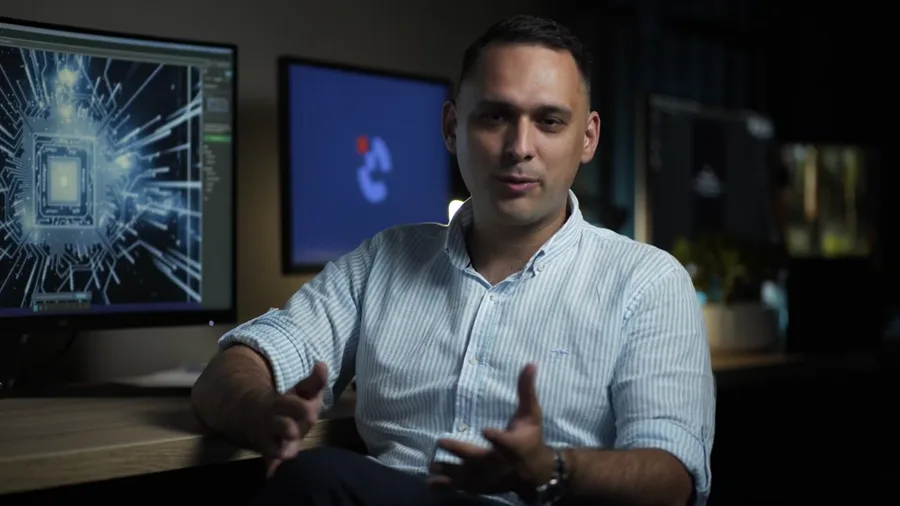
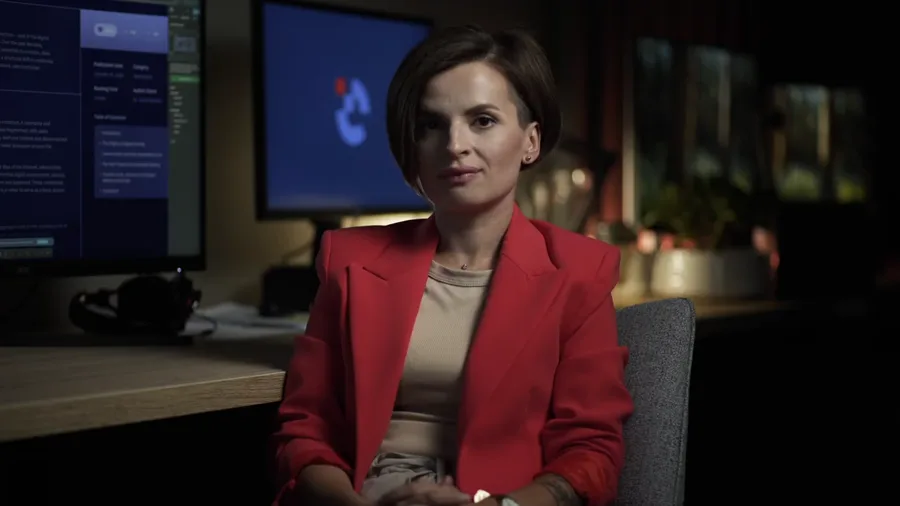
Our team is here on camera, in our own words. If you’re thinking about working with us, start by meeting the people behind the conversation.
- 01
Talk before we build
Tell us what you want to change and what you have tried so far.
- 02
Make the tradeoffs visible
We discuss what to do first, what can wait and where the risks are.
- 03
Stay part of the work
Review the direction as it takes shape, not only when the work is finished.
What people ask before they call.
You don’t need all the answers to start.
Bring the idea, the stuck product or the question nobody has resolved yet. Tell us what you’d like to change.
You talk directly to us.
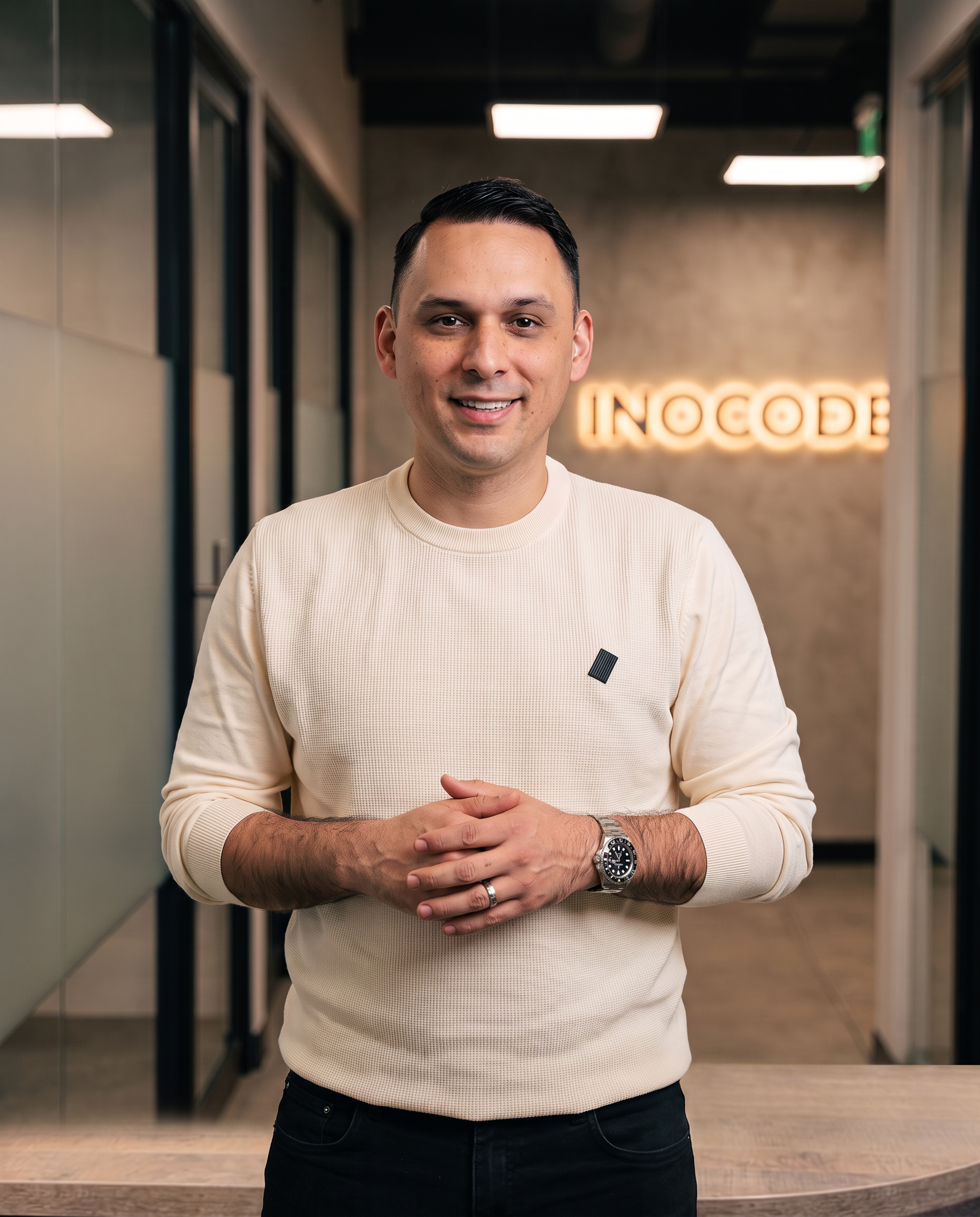
Every note is read by the people who build — starting with our founder.
- 01
We read your note
Tell us what you have in mind, even if it is still taking shape.
- 02
We get back to you
We may ask a few questions to understand the challenge.
- 03
We talk it through
If a call makes sense, we can discuss possible next steps.

Dover
Delaware, USA
EST · UTC−5

Bucharest
Romania
EET · UTC+2
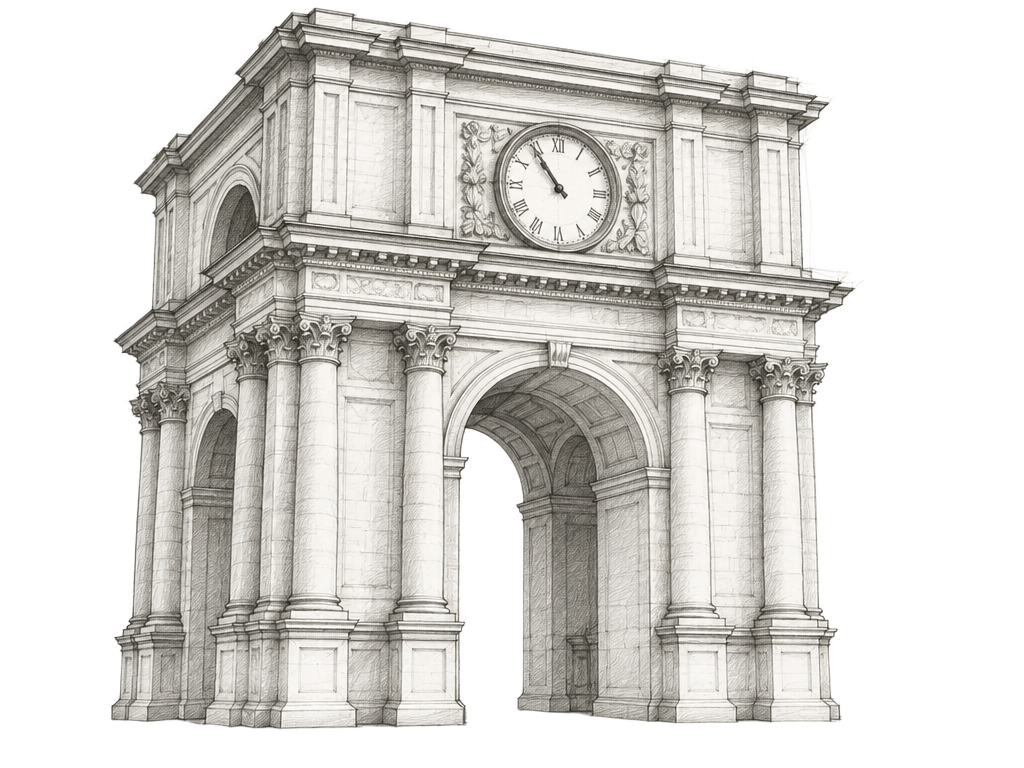
Chișinău
Moldova
EET · UTC+2